
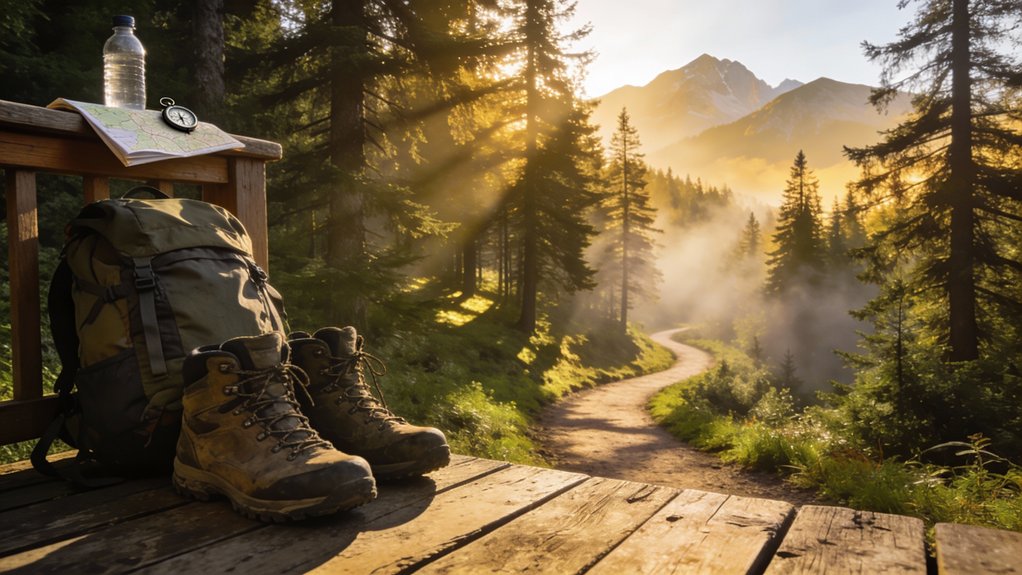
You’ve decided to start hiking, but you’re staring at trail maps and gear lists wondering where to actually begin.
The good news is that you don’t need expensive equipment or peak fitness to take your first hike.
What you do need is a realistic understanding of what hiking involves, a solid plan for that first outing, and answers to the practical questions spinning through your head right now.
Day Hiking vs. Backpacking: What Beginners Should Start With
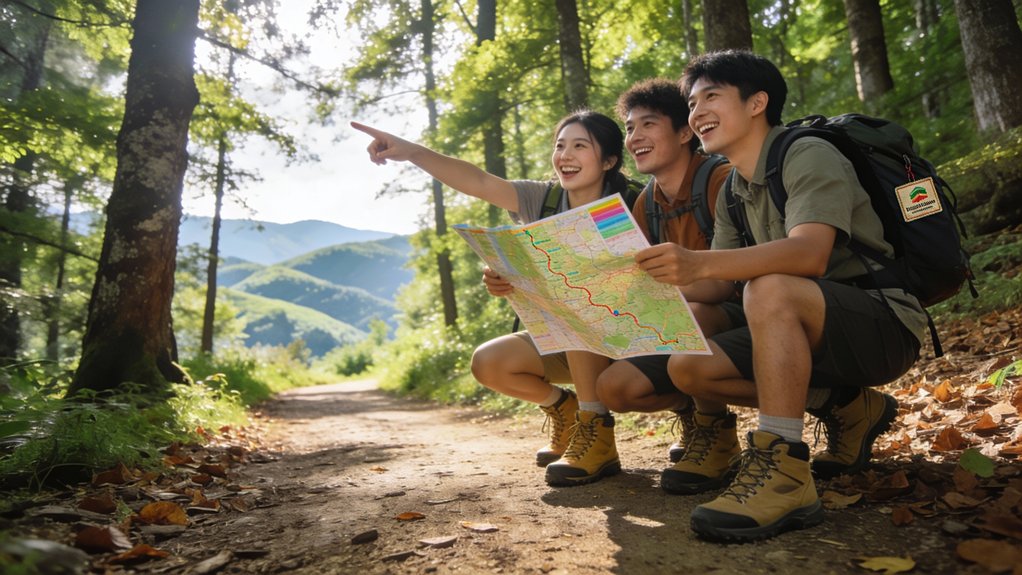
When you’re new to hiking, day hikes offer the smartest entry point into the outdoors.
You’ll complete your trek in a single day without hauling camping gear or managing overnight logistics. Start with trails under 5 miles that have minimal elevation gain.
Why day hiking works for beginners:
- No campsite reservations needed
- Less gear to buy and carry
- Build stamina at your own pace
- Easy to find in local parks
Save the multi-day adventures for later, once you’ve developed solid hiking skills.
How to Find Your First Beginner-Friendly Trail
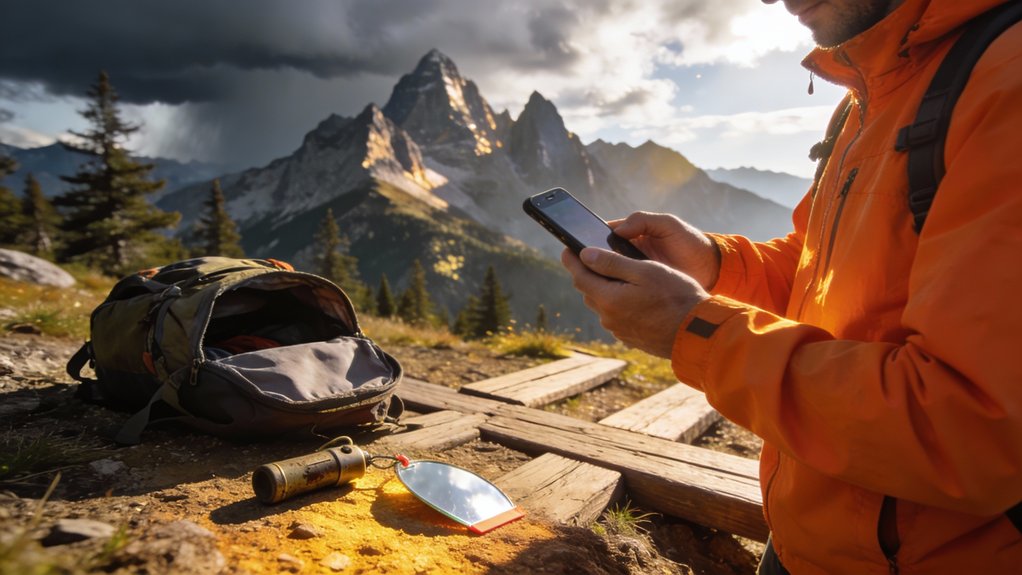
Finding your first trail doesn’t need to feel overwhelming if you know where to look.
Search for local routes under 5 miles with less than 500 feet of elevation gain. Use AllTrails or your local park websites to check difficulty ratings and current conditions.
Quick checklist before choosing a trail:
- Read recent reviews for hazards
- Verify permit requirements
- Check seasonal closures
- Look for accessible parking
Join community hiking forums to get real recommendations from experienced locals who know the area.
Essential Gear You Actually Need to Start Hiking
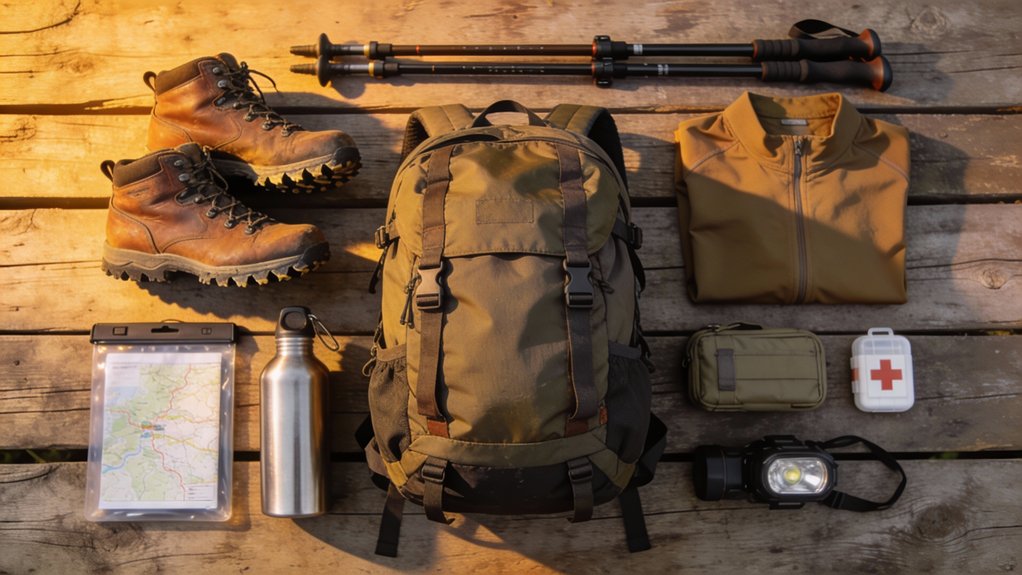
You’ve picked your trail, and now you’ll need the right equipment to get there safely.
Start with proper hiking footwear: sturdy boots or trail shoes that provide traction and ankle support. Your feet are your foundation on the trail.
Don’t overthink the footwear choice. Comfortable sneakers with good grip work fine for your first few hikes before investing in expensive boots.
The 10 Essentials for Your Pack
Pack these items in a well-fitted backpack:
- Navigation: Map and compass
- Water: 1 to 2 liters for 5 miles
- Food: High-energy snacks
- First aid: Basic kit with bandages
- Sun protection: Sunscreen and sunglasses
- Light: Headlamp with extra batteries
- Fire: Matches or lighter
- Shelter: Emergency blanket
- Extra clothing: Waterproof jacket
- Knife: Multi-tool or pocket knife
These basics keep you comfortable and prepared without weighing you down or emptying your wallet.
Planning Your First Hike: Timing and Preparation
Before you hit the trail, you’ll need to map out your timing and logistics.
Check weather forecasts and current trail conditions beforehand. Nobody wants surprise thunderstorms or washed-out paths.
Realistic time planning:
- Plan for 30 to 45 minutes per mile
- Add time for water breaks
- Factor in photo stops
- A 3-mile trail = roughly 2 hours round-trip
Tell your hiking buddies or family where you’re going and when you’ll return.
Schedule your hike during off-peak times if possible. Early mornings or weekdays work best to avoid crowded trailheads.
Basic Safety Practices Every New Hiker Should Know
Planning gets you to the trailhead, but knowing what to do once you’re out there keeps you safe.
Always tell someone your destination and return time before leaving.
Safety essentials:
- Download offline trail maps before losing cell service
- Pack 1 to 2 liters of water for every 5 miles
- Dress in layers with a waterproof jacket
- Keep distance from wildlife, never feed them
- If lost, stop and backtrack to your last familiar spot
Research what animals live in your area before you go. Most creatures avoid humans naturally.
These simple practices let you explore confidently while managing real risks on the trail.
Trail Etiquette: How to Be a Respectful Hiker
When you share the trail with others, your behavior shapes everyone’s experience.
Basic trail manners:
- Yield to uphill hikers
- Step aside for faster hikers
- Keep conversations at normal volume
- No blaring music
- Pack out everything you brought in
- Keep dogs leashed
- Move off the path for breaks
Following Leave No Trace principles means packing out all food scraps and wrappers.
These simple acts of consideration create a respectful atmosphere everyone appreciates.
What to Expect During Your First Time on the Trail
Your first hiking experience will likely feel different than you imagined, both easier and harder in unexpected ways.
Physical fatigue kicks in after 2 to 3 miles, even on easy trails. Your legs may feel heavier than expected on inclines.
What you’ll experience:
- Trail conditions vary: uneven surfaces, roots, rocks
- Temperature changes requiring layer adjustments
- Occasional wildlife sightings from a distance
- Mental clarity as you disconnect from daily stress
- Growing confidence with each mile completed
You’ll probably feel both exhilarated and tired simultaneously.
That’s completely normal for your first adventure outdoors.
Start Small: How to Increase Distance and Difficulty
Building your hiking endurance works best when you resist the urge to push too hard too soon.
Progressive training approach:
- Weeks 1-2: Trails under 5 miles, minimal elevation
- Weeks 3-4: Increase distance by 10 to 20 percent
- Week 5+: Add trails with 500 to 1,000 feet of elevation
Between hikes, work on strength exercises. Focus on squats and lunges for your legs, plus core work.
Track your progress to monitor gradual improvement.
This steady approach prepares you for bigger adventures when you’re actually ready for them.
Planning Your Second and Third Hikes
Once you’ve finished that first trail, the next step is planning hikes two and three with slightly more challenge.
Look for trails between 5 to 8 miles with moderate elevation gain.
Use AllTrails or local park websites for trail selection, reading recent reviews for current conditions. Consider inviting hiking companions or joining a local group for motivation and safety.
Always check weather forecasts before heading out. Be ready to adjust plans if conditions change.
Remember:
You’re not racing anyone. Move at a pace that feels sustainable and enjoyable, taking breaks whenever your body signals fatigue.
The goal is building a hiking habit you’ll actually stick with, not proving anything to anyone else.