Fact box
- Acreage / terrain: more than 10,000 acres, roughly 80 percent wetlands, per USFWS
- Trails: eight trails totaling roughly 7.5 miles; surfaces vary by trail (boardwalk, hard surface, packed earth, roots)
- Difficulty: easy to moderate
- Parking and fees: free parking; no entrance fee
- Hours: daily, half hour before sunrise to half hour after sunset
- Restrooms / facilities: visitor center open daily 9 am to 4 pm (weather and volunteer dependent); wheelchair accessible; administrative office open Monday through Friday 8 am to 4 pm
- Dogs: allowed throughout the refuge on a short handheld leash
- Official source: fws.gov/refuge/prime-hook
- Last verified: 2026-06
Prime Hook National Wildlife Refuge sits near Milton in Sussex County. More than 10,000 acres of marsh, swamp, and woodland are open to the public at no cost, according to USFWS. Roughly 80 percent of that is wetland.
The refuge isn’t a manicured park. It’s a working federal wildlife area managed for migratory waterfowl, and the practical details matter: which trails are accessible, whether you can still paddle the canoe trail, what biting insects to expect, and how hunting seasons affect your visit. Every fact below links to its official source.
What Prime Hook is
Prime Hook National Wildlife Refuge was established as a protected wetland corridor on Delaware Bay. The refuge is managed by USFWS as part of the Atlantic Flyway migration system, which is why waterfowl and shorebird numbers here can be exceptional in season.
Four county roads bisect the refuge’s marshes, letting you observe wildlife from a car window without leaving pavement, per USFWS. That’s a useful option when mosquitoes are heavy or when you just want a quick look. Two ponds and Prime Hook Creek also offer fishing opportunities alongside the canoe trail.
Sussex County’s best outdoor spots are public land; you just need to know they exist.
The walking trails and boardwalk
Eight trails cover roughly 7.5 miles across the refuge, according to USFWS. All eight are detailed in the Sussex County hiking guide, which cards the full trail specs. Here’s the overview:
Boardwalk Trail is the most distinctive: a 0.5-mile loop that crosses 600 feet of freshwater marsh on boardwalk, then returns through uplands and forested wetlands. It’s formally designated wheelchair accessible by USFWS.
Dike Trail runs 0.49 miles one-way on hard surface to a wheelchair-accessible observation platform overlooking the marsh. It’s the flattest and most open option, per USFWS.
Pine Grove Trail is a 0.79-mile loop through pine and hardwood beside Turkle and Fleetwood Ponds, with a marsh viewing platform along the route, according to USFWS.
Fleetwood Pond Trail is a short 0.05-mile walk, also near the pond area, per USFWS.
Black Farm Trail meanders through wooded uplands adjacent to agricultural lands and freshwater marshes, per USFWS.
Island Farm Trail is the longest option at 1.95 miles, per USFWS.
Blue Goose Trail is the only trail rated as arduous. USFWS warns of hiking over stumps and exposed roots on this one. It’s a different experience from the other seven.
Photo Blind Trail is a short 0.16-mile walk to an enclosed, first-come photography blind, per USFWS.
The Boardwalk and Dike trails are the two formally designated accessible options. For full accessibility specs and stroller suitability across these two trails, the accessible trails guide for Sussex County has the detail.
The practical details come first. Dogs are welcome on all eight trails on a short handheld leash, per USFWS.
The canoe trail
The Prime Hook Canoe Trail runs seven miles one-way along Prime Hook Creek through red maple swamp and cattail marsh, and it’s open to canoes, kayaks, and motorboats under 25 horsepower, according to USFWS.
As of 2026, the eastern portion of the canoe trail is heavily silted and not recommended for canoes or kayaks. USFWS advises going only westward from Foord’s Landing. The Headquarters boat ramp cannot be reached by water. Check the USFWS refuge page for current conditions before planning a trip.
For launch logistics, rental options, and the wider paddling picture in the county, the Sussex County kayaking and canoeing guide covers Prime Hook Creek alongside the other routes.
Wildlife: 245-plus bird species
More than 245 bird species have been recorded at Prime Hook, according to USFWS. The refuge sits on the Atlantic Flyway, and the wetland mix of marsh, swamp, and open water supports both resident and migratory species year-round.
Snow geese are the signature spectacle in the fall and winter months. The birding guide for Sussex County covers the broader county birding calendar. For the snow geese specifically, the dedicated snow geese at Prime Hook article has the timing and viewing details; the count and arrival windows are thin here intentionally because that piece owns the subject.
Hunting on the refuge
Prime Hook runs a regulated hunting program. According to USFWS, hunters come for deer, waterfowl, upland game birds, and other small game.
The Headquarters area closes for two days per year for limited deer hunting. The specific dates rotate annually, so check fws.gov/refuge/prime-hook for the current schedule before planning a visit during deer season. Current season dates for all hunted species are on the same page.
For non-hunters: the refuge doesn’t close entirely during most hunting activity, but being aware of active hunting seasons is practical. The hunting seasons and trail safety guide for Delaware has the county-wide picture.
Rules differ park by park. Check the one you’re visiting, not the one you visited last.
Visiting: mosquitoes, ticks, and the visitor center
USFWS warns of heavy mosquitoes, ticks, and biting flies from June through September across the refuge, according to the trails page. This applies to all eight trails and the canoe trail. Bug spray and long sleeves are practical for any warm-weather visit.
The shoulder seasons here are worth noting. Fall brings the waterfowl migration; early spring brings shorebirds. Summer has the biting insects and the heat, but it’s also the easiest season to observe the marsh itself.
The visitor center at refuge headquarters is open daily year-round from 9 am to 4 pm, weather and volunteer dependent, per USFWS. It’s wheelchair accessible and features taxidermy mounts, an auditorium for nature films, educational displays, and a Friends Store gift shop.
The administrative office is open Monday through Friday from 8 am to 4 pm; Federal Duck Stamps are available during those hours.
The refuge is open daily from half an hour before sunrise to half an hour after sunset, per USFWS. There is no entrance fee.
Frequently asked questions
Is there an entrance fee at Prime Hook National Wildlife Refuge?
No. The refuge doesn’t charge an entrance fee, per USFWS. Parking is also free. This puts it in a different category from Delaware State Parks, which charge seasonal vehicle fees.
Can you kayak or canoe at Prime Hook right now?
The western portion of the Prime Hook Canoe Trail is navigable from Foord’s Landing. As of 2026, USFWS reports that the eastern portion is heavily silted and not recommended for canoes or kayaks. Verify current conditions at fws.gov/refuge/prime-hook before your trip.
What is the best time of year to visit Prime Hook?
Fall and early winter are the peak seasons for waterfowl and the snow geese spectacle. Spring brings shorebirds along Delaware Bay. Summer offers marsh wildlife and full foliage but comes with heavy mosquitoes, ticks, and biting flies June through September, per USFWS. The shoulder seasons tend to deliver the most wildlife for the least discomfort.
Are dogs allowed at Prime Hook?
Yes. Dogs are welcome throughout the refuge on a short handheld leash, per USFWS. No seasonal beach restrictions apply here, unlike some state parks. The dog-friendly trails and beaches guide for Sussex County has the comparison across parks.
How bad are the mosquitoes and ticks at Prime Hook?
USFWS describes them as heavy from June through September, according to the refuge trails page. Mosquitoes, ticks, and biting flies are all active in the warm months. The marsh environment amplifies it. Bug spray, long pants, and a tick check after the visit are the standard precautions for any summer trip.
The refuge is also a key stop for the Delaware Bay horseshoe crab spawning and the shorebirds it draws each spring.
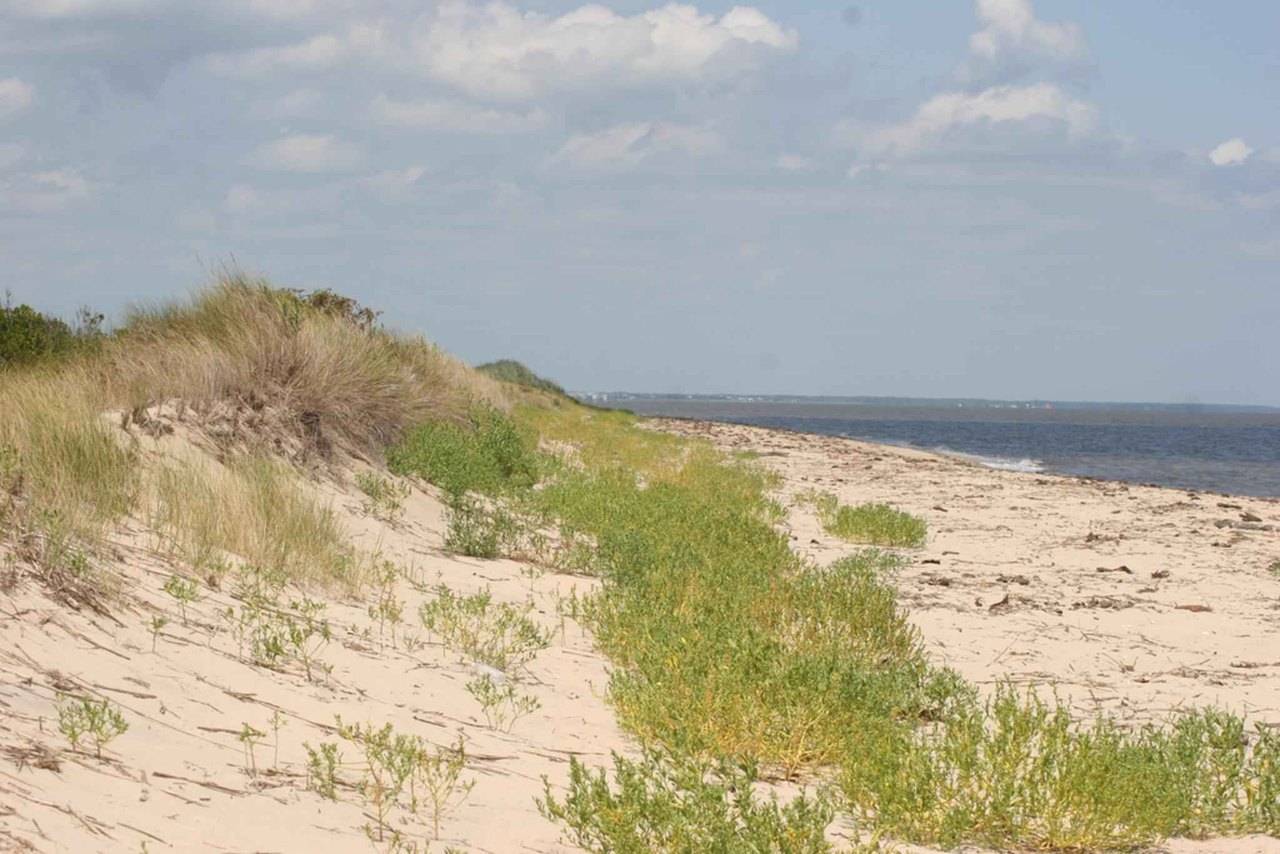
Photo by Bill Butcher, U.S. Fish and Wildlife Service (public domain).

Last verified: 2026-06.