Sussex County has more public kayak launches than most paddlers realize, scattered across ponds, two tidal water trails, the inland bays, and a marsh refuge.
This guide compiles every verified public access point with its launch type, fees, and current, so you can match the put-in to your boat and your experience.
Scan the table, then read the section for the water you’re paddling. Each entry links to its official source.
Quick facts
- Two launch types: ramps for trailered or motorized boats, and hand-carry docks for kayaks and canoes only
- Mostly free for paddlers: non-motorized boats are exempt from the ramp certificate that motorboats need at Delaware Fish and Wildlife ramps; town and hand-carry launches charge nothing
- State park launches charge entry: Trap Pond and Holts Landing apply state park fees; current rates are on the park pages linked below
- Official sources: Paddle the Nanticoke, Delaware State Parks, U.S. Fish and Wildlife Service, and Delaware Center for the Inland Bays
- Last verified: 2026-06
Every public launch: quick comparison
| Launch | Launch type | Water and fee |
|---|---|---|
| Trap Pond (near Laurel) | ||
| Trap Pond ramp | Ramp + rentals | 90-acre pond / state park fee |
| Broad Creek (Laurel area) | ||
| Roger C. Fisher Laurel River Park | Ramp + accessible dock | Tidal Broad Creek / paddlers free |
| Laurel Kayak/Canoe Launch | Hand-carry dock | Broad Creek / no fee |
| Edward Koch Access Area | Hand-carry only | Tidal Broad Creek / no fee |
| Phillips Landing | Three ramps | Broad Creek mouth / paddlers free |
| Nanticoke River (Seaford and Blades) | ||
| Seaford Boat Ramp | Four ramps | Wide tidal river / paddlers free |
| Seaford Canoe and Kayak Launch | Hand-carry dock | Nanticoke / no fee |
| Oyster House Kayak Launch | Floating-dock launch | Nanticoke / no fee |
| Riverwalk Kayak Launch | Hand-carry dock | Nanticoke / no fee |
| Nanticoke River Marina Park | One ramp | Nanticoke / no launch fee |
| Woodland Wharf | Dock launch | Deep tidal river / no fee |
| Inland Bays and coast | ||
| Holts Landing State Park | Two-lane ramp | Indian River Bay / state park fee |
| Assawoman Canal (Town Road) | Hand-carry launch | Sheltered canal / no fee stated |
| James Farm Preserve (EcoBay) | Concession rental | Indian River Bay / booking required |
| Delaware Seashore bay launch | Boat launch | Rehoboth Bay / details thin |
| Fenwick Island bay side | Carry-down only | Little Assawoman Bay / no ramp |
| Prime Hook marsh (free) | ||
| Foord’s Landing | Carry-in launch | Prime Hook Creek / no fee |
| Headquarters boat ramp | Ramp | Refuge marsh / no fee |
Quick Answers
- Which launches are free for kayakers? Most of them. The town and hand-carry launches charge nothing, and non-motorized boats are exempt from the ramp certificate motorboats need at Fish and Wildlife ramps. Only Trap Pond and Holts Landing add a state park entry fee.
- Where can a first-timer launch safely? Trap Pond, a sheltered 90-acre pond with rentals on site, is the gentlest put-in. For full beginner detail, see the complete kayaking and canoeing guide.
- Which launches are accessible? Roger C. Fisher Park, Phillips Landing, Seaford Boat Ramp, Marina Park, Woodland Wharf, and the Seaford-area town launches all list accessible floating docks. The Edward Koch and Fenwick Island access points are not.
- Where can I rent a kayak? Trap Pond runs a seasonal concession, Quest Adventures rents at the Laurel launch, and EcoBay Kayak and SUP is the only approved concession at James Farm Preserve.
- Which launches should beginners skip? Woodland Wharf, beside an active cable ferry, and the open Nanticoke mainstem at Seaford, where wind and a strong current make paddling hard.
Trap Pond: the sheltered starting point
Inland near Laurel, Trap Pond is the county’s calm-water put-in and its most beginner-friendly launch. The launching ramp serves shallow-draft boats, and a concession rents canoes, kayaks, rowboats, and pedal boats on site, according to Wikipedia. State park entry and motorized-boat fees apply, with rates on the Delaware State Parks site.
Worth knowing: Delaware’s first state park, designated 1951. The surrounding swamp holds the northernmost natural bald cypress in the United States, per the National Park Service.
The same pond feeds the Terrapin Branch water trails, which paddle in from here.
Broad Creek: a chain of launches around Laurel
Broad Creek turns tidal at Laurel and runs to its mouth on the Nanticoke. Four public launches sit along it, so you can put in at one and take out at another rather than paddle a round trip.
Roger C. Fisher Laurel River Park
This is the main Broad Creek launch and the usual start of the Laurel paddle. It has one boat ramp, a fishing pier, and a large accessible floating dock, with a paved lot and seasonal restrooms, per Paddle the Nanticoke.
From here it’s roughly 3.5 miles to Edward Koch and 7 miles to Phillips Landing, a 2.5 to 5 hour run, per the paddle itinerary. Current runs moderate to strong, so check the tide and paddle with it. Delaware Fish and Wildlife manages the ramp; non-motorized boats are exempt from the ramp certificate motorboats need.
Laurel Kayak/Canoe Launch
Upstream of Fisher Park, the Town of Laurel runs this hand-carry launch with a floating dock, ladder, and KayaArm stabilizer, per the launch page. There’s gravel parking, no restrooms, and no fee. Quest Adventures runs guided paddles and kayak rentals on site, though the wooden dock structure isn’t fully accessible.
Edward Koch Access Area
About 3.5 miles downstream of Fisher Park, this hand-carry-only point has no ramp, no pier, and a moderate-to-strong current, according to the access page. Parking is limited, there are no restrooms, and it isn’t ADA accessible. Best used as a turnaround or take-out, not a put-in destination.
Phillips Landing
Near the Broad Creek mouth, Phillips Landing has three ramps, a floating dock, accessible parking, and seasonal restrooms, per Paddle the Nanticoke. It sits roughly 7 miles downstream of Fisher Park, the natural end of the full Laurel paddle, with picnic tables and bank fishing on site. Strong current and deep water make this a tide-and-charts launch, not a casual one; non-motorized boats launch free.
The Nanticoke River: Seaford and Blades
The Delaware segment of the Nanticoke is a 26-mile ecotourism water trail, contiguous with 37 more miles through Maryland to the Chesapeake Bay. The watershed holds the highest concentration of bald eagles in the northeastern United States, per the Nanticoke Watershed Alliance.
The mainstem is wide and wind-exposed. Treat it as a strong-current river, not a pond. The launches below cluster around Seaford and neighboring Blades.
Seaford Boat Ramp
Four boat ramps and a fishing pier with floating docks serve large motorboats as well as kayaks, per Paddle the Nanticoke. There’s a large paved lot and seasonal restrooms; Delaware Fish and Wildlife manages it. Wide water and frequent wind suit mixed boat-and-kayak launching more than a casual paddle; the adjacent Riverview Park has a picnic area.
Seaford Canoe and Kayak Launch
A canoe-and-kayak hand-carry launch with an accessible floating dock, this is the calm Seaford put-in where the current is minimal, according to the launch page. Parking is minimal on-street, there are no restrooms, and there’s no fee. Shallow bottom can make it inaccessible at extreme low tides, so time your visit with the tide chart.
Oyster House Kayak Launch
One block from Seaford’s High Street shops, this floating-dock launch sits beside a fishing pier and connects to the Riverwalk, per Paddle the Nanticoke. The City of Seaford manages it, with a small gravel and street lot and seasonal restrooms. It opens onto the wide mainstem where current is strong and water deep, and there’s no fee to launch.
Riverwalk Kayak Launch
Connected to Oyster House by the same fishing pier, the Riverwalk launch is a hand-carry put-in with one floating dock, per the launch page. There’s no parking and no restrooms, the City of Seaford manages it, and the current runs moderate to strong on deep water. Paired with Oyster House, it makes a short downtown Seaford paddle.
Nanticoke River Marina Park (Blades)
In Blades, this one-ramp park has a floating dock, 12 feet of water at mean low, and minimal current, per Paddle the Nanticoke. The Blades Economic Development Corporation runs it, with a large paved lot, a picnic pavilion, showers, laundry, and restrooms that need an entry code. There’s no launch fee, though boat slips and storage are paid, and fishing from the docks, piers, or bulkheads isn’t allowed.
Woodland Wharf
Beside the active Woodland Ferry cable crossing, this dock launch sits on deep tidal freshwater, typically 4 to 4.5 meters deep with a strong current, per Paddle the Nanticoke. It’s accessible, with a gravel lot, bike racks, seasonal restrooms, and no fee.
Paddle the Nanticoke itself flags this launch as not suitable for beginners, given the current and the working ferry alongside it. Leave this one for experienced paddlers.
Verified beats vivid: we’d rather be accurate than poetic.
Inland Bays and coast
Behind the barrier island, the inland bays are open, wind-and-tide-exposed saltwater. The launches here are a different game from the sheltered ponds and creeks inland.
Holts Landing State Park
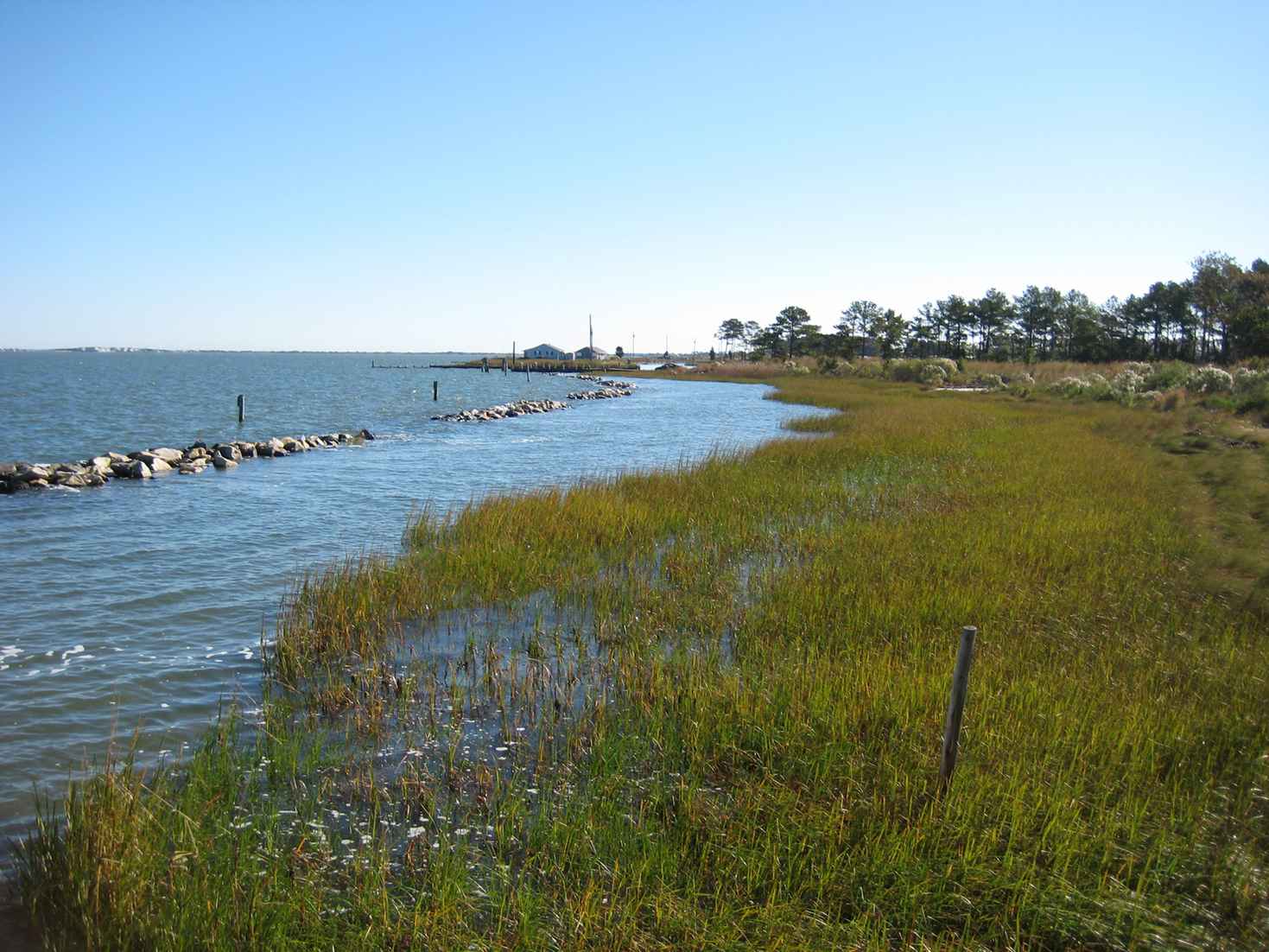
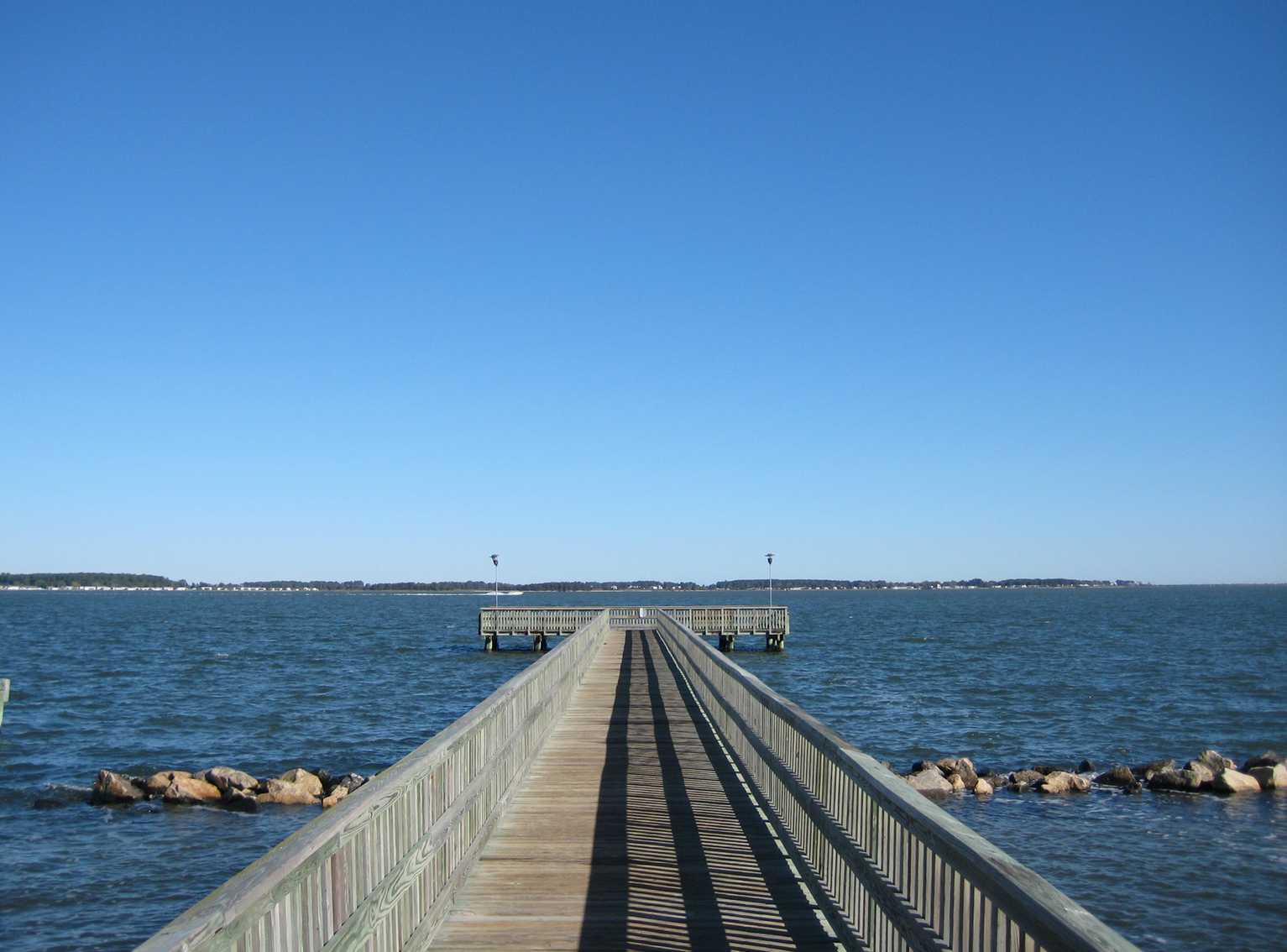
On the south shore of Indian River Bay, Holts Landing has a two-lane concrete ramp open 24 hours, per Wikipedia. It replaced the old single-lane ramp in April 2016 and takes vessels up to 25 feet. State park fees apply with rates on the Delaware State Parks site, and a 220-foot crabbing pier sits on site.
Assawoman Canal
Dug by hand in 1891, the Assawoman Canal is a 4-mile lock-free channel running 35 feet wide and 3 feet deep between the two bays. A hand-carry launch opened in fall 2020 at the Town Road trailhead, per the Assawoman Canal Trail project. Sheltered water here beats anything on the open bay.
James Farm Ecological Preserve
This Cedar Neck Road preserve is the only public Indian River Bay access on that road, managed by the Delaware Center for the Inland Bays. Admission is free, sunrise to sundown year-round. Water access is a concession: EcoBay Kayak and SUP is the only approved operator, so book with them before you go.
Delaware Seashore bay launch
A public boat launch on the bay side opens Rehoboth and Indian River bays to paddling, with the Indian River Marina in the same park at the inlet. The launch is confirmed, but lane count, exact location, and fee aren’t published on any record this guide could verify. Treat the details as unconfirmed and check the official park page before you rely on it.
Fenwick Island bay side
The Little Assawoman Bay side of Fenwick Island State Park is open to kayaking, but there’s no formal ramp, dock, or launch facility, per Wikipedia. Access is carry-down only, onto open and often breezy bay water.
Prime Hook: the free marsh launch
Prime Hook National Wildlife Refuge near Milton offers a free 7-mile paddle along Prime Hook Creek, per the U.S. Fish and Wildlife Service. The route runs through red maple swamp and cattail marsh; Foord’s Landing is the named put-in. Canoes, kayaks, and motorboats under 25 horsepower are all welcome.
There’s no entrance fee, and the refuge is open daily. What most listings miss: the eastern canoe trail is heavily silted, per the current FWS advisory, so paddle only west from Foord’s Landing. Under that closure, you cannot reach the Headquarters ramp by water from Foord’s Landing.
USFWS also flags mosquitoes, ticks, and biting flies as very high from June through September.
Before you go
A few things change often enough to confirm each trip.
Fees and registration
At Fish and Wildlife ramps, motorboats need Delaware registration or a ramp certificate, while non-motorized boats are exempt. Hand-carry and town launches are free, and a Delaware fishing license is required if you fish. Trap Pond and Holts Landing add a state park entry fee, with rates on the Delaware State Parks site.
Tides and current
Broad Creek and the Nanticoke are tidal with a strong current, so paddle with the tide and check charts first. The pond and the canal are the calm-water options.
Rules differ park by park. Check the one you’re visiting, not the one you visited last.
Rentals
All three rental options here are seasonal or booking-based, so call ahead before you build a trip around one. Each is covered in the rentals guide linked below.
For water-trail routes and beginner advice, see the complete kayaking and canoeing guide. Every rental option in the county is in the kayak and canoe rentals guide. The Nanticoke River paddling guide goes deeper on the river launches above.
Frequently asked questions
Are kayak launches in Sussex County free?
Most are. Town and hand-carry launches charge nothing, and paddlers in non-motorized boats skip the ramp certificate that motorboats require at Fish and Wildlife sites. Trap Pond and Holts Landing apply a state park entry fee, and James Farm Preserve requires booking through its concession.
Which Sussex County launch is best for beginners?
Trap Pond is the sheltered, beginner-friendly choice, with calm water and rentals on site. Avoid the open Nanticoke mainstem at Seaford and Woodland Wharf, where strong current and a working ferry make conditions harder.
Can you reach the Prime Hook Headquarters boat ramp by water?
Not currently. Per the current U.S. Fish and Wildlife Service advisory, the eastern canoe trail is heavily silted. Paddle only west from Foord’s Landing; the Headquarters ramp is unreachable by water under that closure.
Where can you launch a kayak on the inland bays?
Holts Landing State Park has a two-lane ramp onto Indian River Bay. The Assawoman Canal offers a sheltered hand-carry launch at its Town Road trailhead. James Farm Preserve provides bay access through the EcoBay concession, and Fenwick Island’s bay side allows carry-down launching with no formal ramp.
Photos of Holts Landing State Park by SheepNotGoats (CC BY-SA 3.0), via Wikimedia Commons.

Last verified: 2026-06.